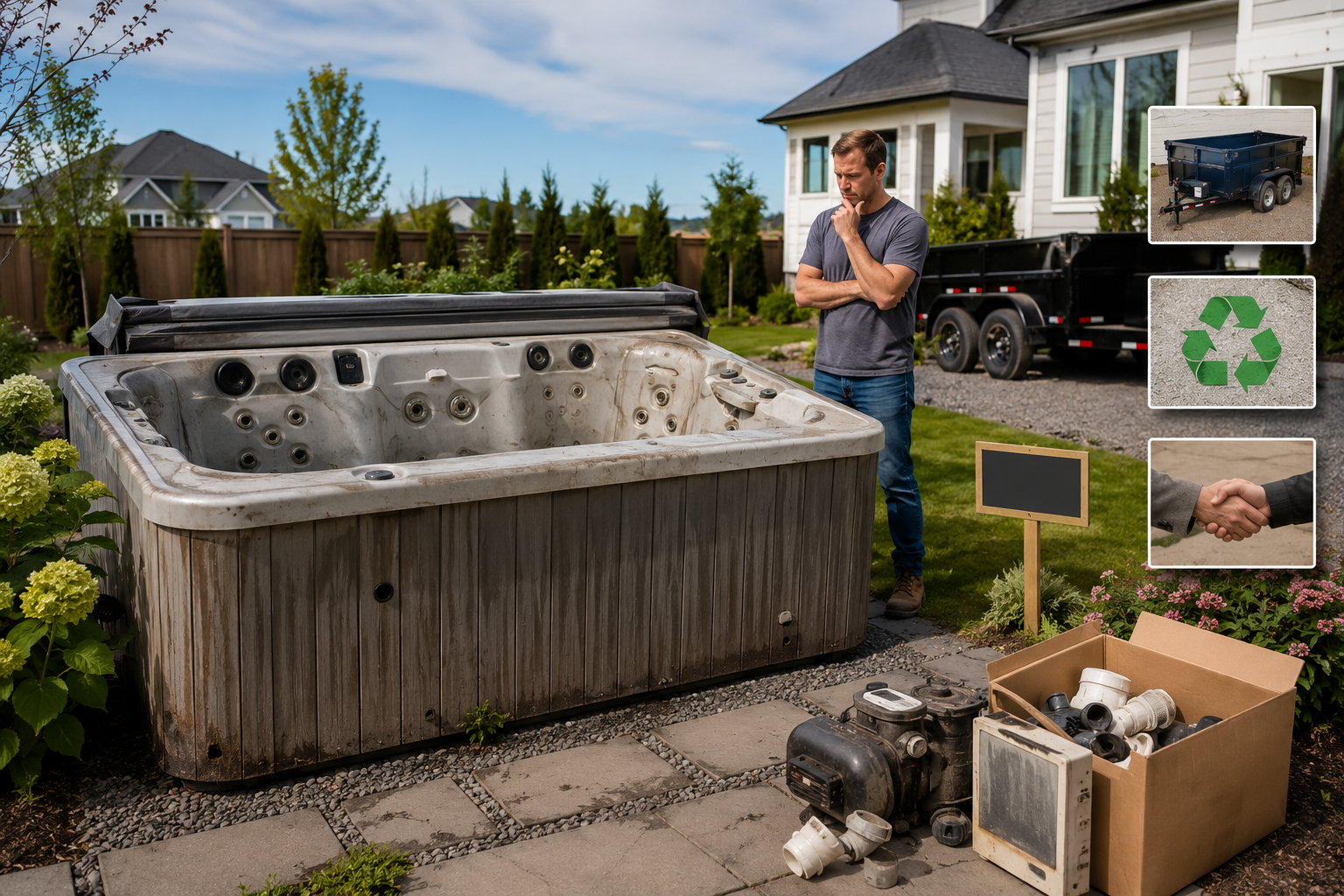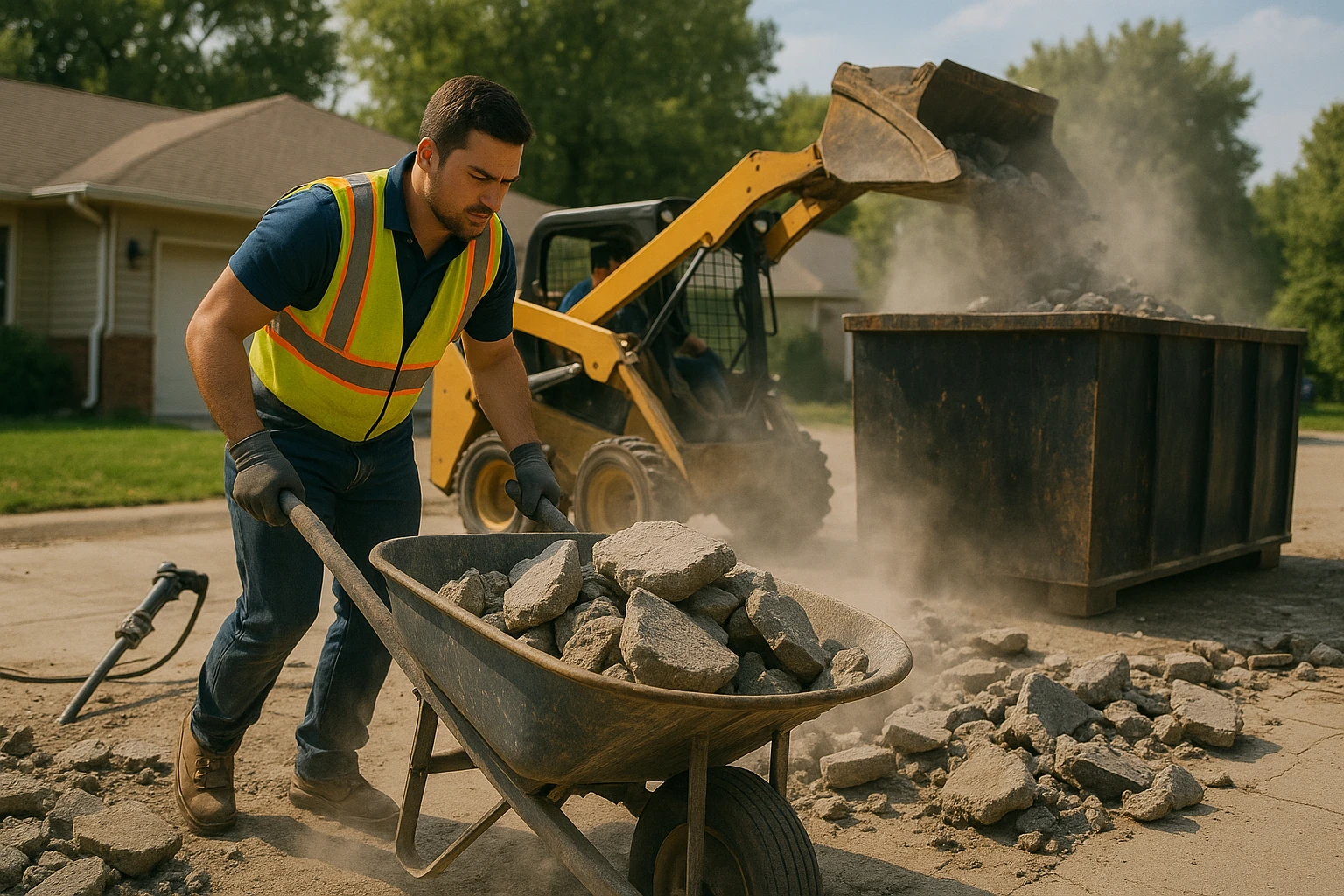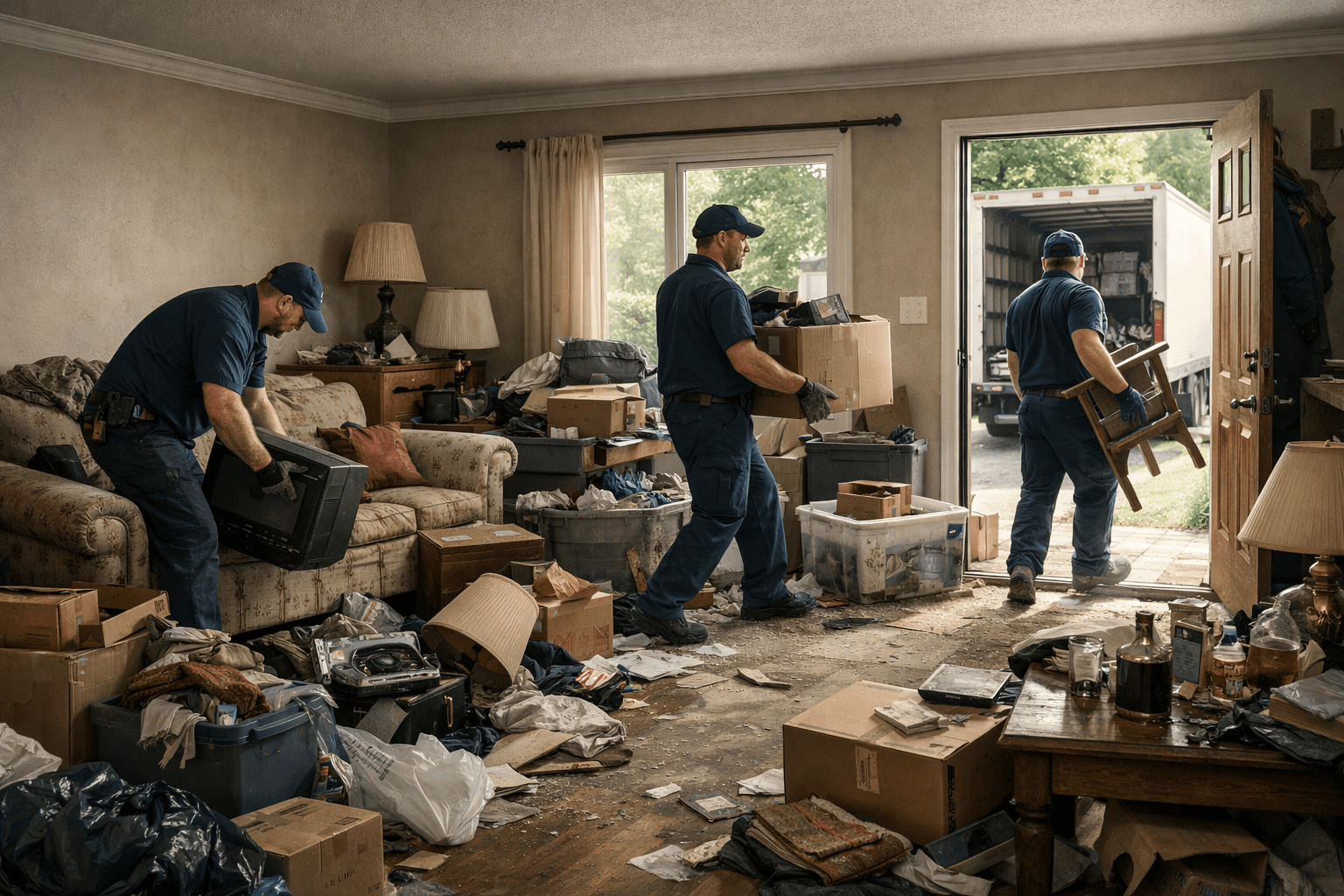


An old hot tub has a way of becoming part of the background. One year, it's getting used every weekend, and the next it's sitting empty on the deck, collecting leaves and taking up space. For many homeowners trying to dispose of a hot tub in Vancouver, the job can feel even harder; tight side yards, upper decks, stairs, electrical hookups, and tubs that can weigh hundreds of kilograms even when empty.
The good news is you have more options than you might think. Whether you're researching [hot tub removal in Vancouver] services, considering DIY removal, or simply wondering how to dispose of a hot tub without turning it into a weekend-long headache, this guide walks through every realistic option.
For a broader Canada-wide guide that isn't specific to Metro Vancouver, see our related article: [How Do You Get Rid of a Hot Tub].
Before You Book Anything: Check Whether Your Hot Tub Has Resale or Salvage Value
Before you start cutting up a spa or calling a hauling company, it's worth checking whether the tub still has any value. A working hot tub, or even a partially working one, may still appeal to buyers looking for a lower-cost setup for a cabin, rental property, or backyard project.
Facebook Marketplace and Craigslist are usually the first places people try when they want to dispose of an old hot tub without paying removal costs. In some cases, listing the tub as "free if you remove it" is enough to get interest, especially if the shell is still in good condition and access is easy.
That said, it's important to stay realistic. Most tubs older than 10–12 years have limited resale demand unless they've been very well maintained. Buyers usually care about three things:
- Whether it still runs
- Whether the shell leaks
- How difficult will it be to remove
Even if the tub itself no longer works, some parts may still have salvage value. Pumps, jets, covers, heaters, control panels, and metal frames can sometimes be reused or sold separately. Some local scrap and salvage buyers will take functioning components, especially copper-heavy parts.
For many homeowners disposing of a hot tub, this quick resale check can save both labour and disposal costs before moving to full removal.
Does the City of Vancouver Pick Up Hot Tubs? (What Municipal Services Actually Cover)
One of the most common misunderstandings around old hot tub disposal in Vancouver is assuming the City will pick it up as part of a bulky-item collection. Unfortunately, that's usually not the case.
Hot tubs are too large, too heavy, and made from too many mixed materials to qualify for standard curbside pickup. They contain electrical components, plumbing, fibreglass or acrylic shells, foam insulation, and metal framing, all of which require different disposal streams.
The City of Vancouver's 311 service and van311.ca are still useful starting points for checking current bulky-item policies and disposal guidance. But in most cases, homeowners will need to arrange for separate hot tub removal and disposal themselves.
Metro Vancouver recycling depots can sometimes accept certain separated materials from a dismantled tub, but they generally do not accept whole hot tubs intact. That means the spa usually needs to be broken down before hauling.
For anything non-recyclable after disassembly, the Vancouver Landfill is often the final destination. Homeowners should expect tipping fees and should plan for a suitable truck or trailer capable of hauling bulky debris safely.
Why Whole Hot Tubs Usually Can't Be Dropped Off Intact
A hot tub is really several disposal jobs combined into one large object. The shell may be fibreglass or acrylic, the frame could be steel or wood, and inside you'll find wiring, pumps, plumbing, foam insulation, and electronic controls.
Because recycling facilities sort materials separately, disposal of hot tub components usually starts with dismantling. Mixed-material items are harder to process efficiently, which is why intact tubs are rarely accepted at standard recycling depots.
Understanding what the tub is actually made of makes the rest of the disposal process much easier to plan.
What a Hot Tub Is Actually Made Of (Why Recycling Takes Some Sorting)
Most people don't think much about what's inside a hot tub until it's time to remove it. But once you start looking into hot tub removal and disposal, the mix of materials explains why the process can get complicated so quickly.
Most tubs include:
- An acrylic or fibreglass shell
- Polyurethane or polystyrene foam insulation
- A steel or aluminium support frame
- PVC piping and plumbing
- Copper wiring
- Pumps and motors
- Electronic control systems
- Wood cabinetry on older units
Some of these materials can be recycled fairly easily. Others are harder to process or reuse, especially once they've been glued together or exposed to water, foam, or fibreglass dust.
That's why cutting up a hot tub for disposal usually means separating materials into different piles instead of hauling the whole thing away in one piece.
The Parts That Can Usually Be Recycled
Metal components are usually the easiest materials to recover. Steel framing, aluminium supports, copper wiring, pumps, and some motors can often be taken to scrap or metal recycling facilities.
Depending on the condition and local acceptance policies, some plastics may also be recyclable. Many professional crews sort these materials separately whenever possible rather than sending everything directly to the landfill.
For homeowners trying to dispose of hot tub materials responsibly, metal recovery is usually the biggest recycling opportunity.
Materials That Usually End Up as Waste
Fibreglass and foam insulation are usually the biggest disposal challenges. Fibreglass creates fine dust when cut, and many facilities won't process contaminated or mixed fibreglass materials easily.
Foam insulation is another difficult material because it's often sprayed directly into cavities around the shell and plumbing. Separating it cleanly is time-consuming and messy.
When people dispose of old hot tubs themselves, these harder-to-recycle materials usually make up most of the landfill debris. That's why landfill is often the last resort rather than the first choice.
Heat Pumps and Refrigerant Safety
Some newer hot tub systems include attached heat pumps or heating systems that contain refrigerants. These regulated substances need to be recovered properly before disassembly.
If your setup includes a heat pump attachment, recovery should always be handled by a certified technician. This is not a DIY part of hot tub removal and disposal.
Cutting Up a Hot Tub for Disposal: What DIY Actually Looks Like
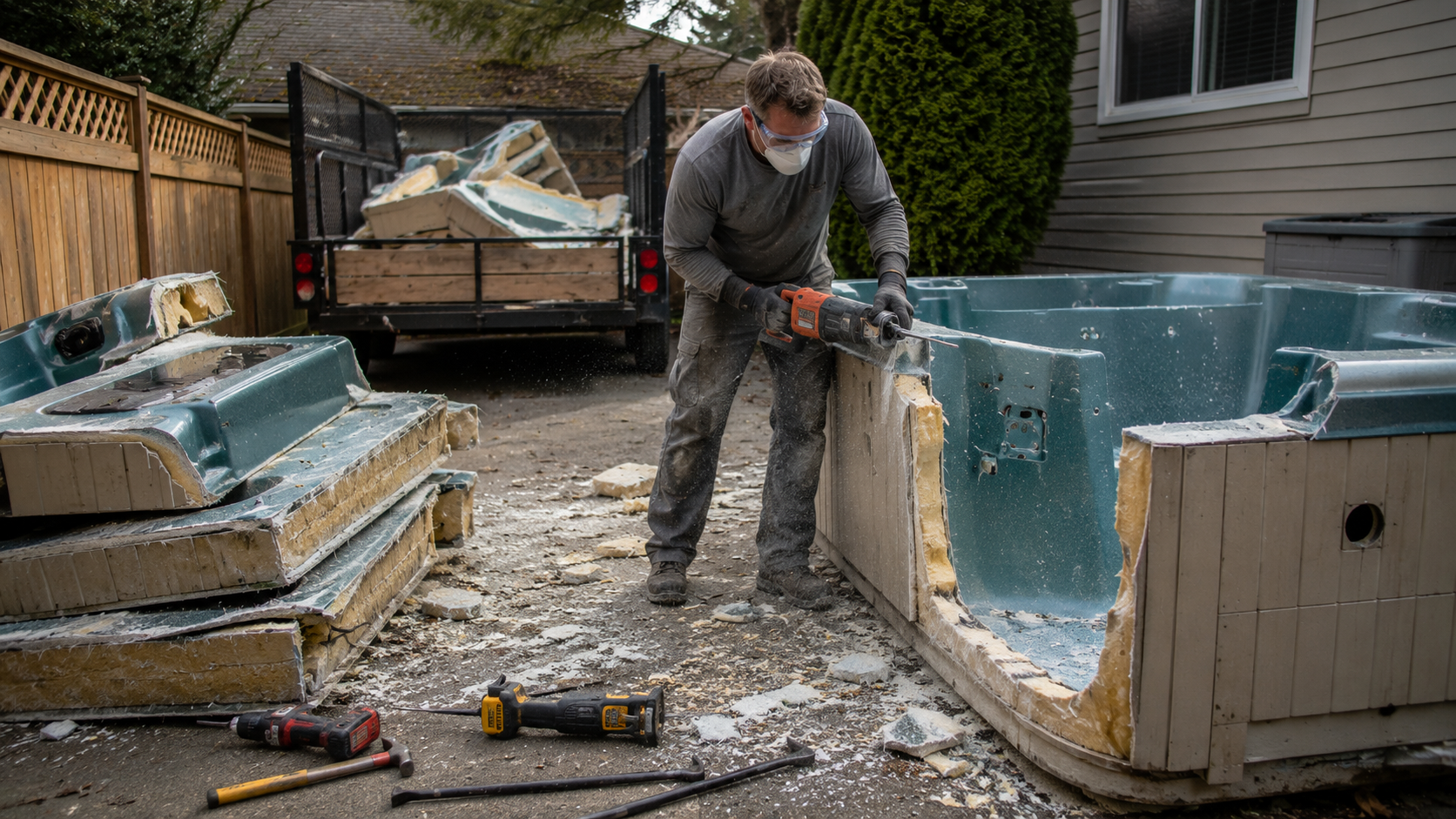
A lot of homeowners start researching how to dispose of a hot tub, thinking it will be a one-day project with a saw and a trailer. Sometimes it is. Often, it turns into much more work than expected.
DIY disposal is absolutely possible for some setups, especially accessible ground-level tubs. But it's labour-heavy, messy, and usually takes longer than people expect.
Most projects involve:
- Draining the water
- Disconnecting utilities
- Removing side panels
- Cutting the shell into sections
- Separating materials
- Loading debris
- Multiple recycling or landfill trips
- Cleaning up foam and fibreglass debris afterward
Even smaller tubs can require 4–8 hours or more of labour, depending on access and how integrated the spa is into the property.
Reciprocating saws and circular saws are commonly used for cutting shell sections apart. But once the cutting starts, fibreglass dust and foam debris spread quickly, especially in enclosed backyard spaces.
Water, Chemicals, and Electrical Disconnects
Before any cutting begins, the water needs to be drained properly. Depending on the size of the tub, this can mean hundreds or even thousands of litres.
Chemical handling matters too. Chlorine or bromine levels may need to be neutralised before water is discharged, especially near storm drains or landscaping.
Electrical safety is the most important part. Many tubs in Metro Vancouver are hardwired 240V systems. If that's the case, disconnecting power should be handled by a licensed electrician before disposal work begins.
Proper PPE also matters during teardown:
- Gloves
- Eye protection
- Dust mask or respirator
- Long sleeves during cutting
These basic precautions make a big difference once fibreglass dust starts circulating.
The Biggest DIY Challenges Most People Underestimate
The physical size of the tub is usually the first surprise. Even after cutting sections apart, the shell pieces can still be awkward and heavy to move through gates, stairs, and narrow side yards.
Hauling logistics are another issue. Many homeowners underestimate how many trips disposal actually takes once materials are separated into recycling and landfill categories.
Then there's cleanup fatigue. By the second or third trailer run, the "cheap" option often starts looking less simple. Tool rentals, landfill fees, fuel costs, and time all add up quickly when you start calculating the real cost to dispose of hot tub materials yourself.
Access Factors That Affect Every Disposal Option in Metro Vancouver
In Metro Vancouver, access changes everything.
A portable spa sitting on an open patio is a very different project from a tub installed into a second-storey deck or tucked behind a narrow side gate. Access affects both DIY difficulty and professional pricing more than almost any other factor.
Some of the most common removal obstacles include:
- Narrow gates
- Tight side-yard access
- Deck stairs
- Integrated framing
- Long carry distances
- Overhead clearance issues
- Hillside properties
For homeowners trying to dispose of hot tub setups in older Vancouver neighbourhoods, these access challenges are extremely common.
A tub that technically "fits" through a gate may still require partial disassembly to move safely without damaging fences, landscaping, or deck railings.
Common Access Situations Around Metro Vancouver Homes
Different parts of Metro Vancouver tend to create different removal challenges.
In Burnaby and North Shore hillside homes, steep stairs and elevation changes are common. Richmond properties often have long side-yard carry paths with limited turning space. Surrey homes may offer easier backyard access, but larger tubs and longer hauling distances are common there too.
Deck-installed spas are especially common across Vancouver-area homes. Some are partially built into framing, meaning sections of decking may need to be removed before the tub itself can come out safely.
This is one of the biggest reasons professional hot tub removal Vancouver crews often request photos or site visits before quoting accurately.
DIY vs. Professional Hot Tub Removal: Honest Comparison
For some homeowners, DIY removal makes perfect sense. For others, hiring professionals quickly becomes the safer and more practical choice.
The biggest difference usually comes down to access, labour, and disposal coordination.
DIY removal typically costs less out of pocket at first, but homeowners still need to account for:
- Tool rentals
- Trailer rentals
- Tipping fees
- Fuel
- Labour time
- Cleanup
- Electrical coordination, if needed
Professional hot tub removal and disposal services bundle those moving parts into one job. The crew handles cutting, hauling, sorting, loading, and disposal coordination.
Once stairs, deck integration, or tight access enter the picture, the cost gap between DIY and professional removal often narrows faster than expected.
When DIY Usually Makes Sense
DIY removal is usually most realistic when:
- The tub is ground level.
- Access is open.
- There are no major stairs.
- The homeowner already has tools and hauling capability.
- The tub can be cut safely into manageable pieces.
If you're researching how to dispose of a hot tub and your setup checks most of those boxes, DIY may genuinely save money.
When Professional Removal Is Usually Worth It
Professional hot tub removal in Vancouver services tend to make the most sense when:
- The tub is deck-integrated.
- Access is tight.
- Stairs are involved.
- The spa is oversized or unusually heavy.
- Electrical coordination is needed.
- Homeowners simply want the job finished quickly.
For larger jacuzzi removal in Vancouver projects, experienced crews can also help reduce the risk of property damage during removal.
What to Look for When Hiring a Hot Tub Removal Company in Vancouver
Not every junk hauling company handles hot tubs the same way.
A legitimate hot tub removal company in Vancouver should understand electrical coordination, heavy lifting safety, material sorting, and access planning, not just basic hauling.
When comparing companies, look for:
- Licensed and insured crews
- Transparent quotes
- Experience with deck removals and stairs
- Recycling and sorting practices
- Clear communication about access challenges
A good crew should also explain whether additional costs may apply for tight access, long carry distances, or partial deck disassembly before work starts.
At Eco Green Junk Solutions, we sort and recycle whenever possible, and landfill is always the last resort. The goal is straightforward: remove the tub safely, keep the process simple for the homeowner, and avoid unnecessary waste wherever practical.
If you're comparing options for hot tub removal in Vancouver, it also helps to learn more [about Eco Green Junk Solutions] and how removal projects are handled.
Questions Worth Asking Before Booking
Before hiring any company, ask:
- Does the quote include stairs or tight access?
- What materials get recycled?
- Do you coordinate electrical disconnects if needed?
- Are there extra fees for deck-integrated tubs?
- What happens to the debris afterward?
Good hot tub removal and disposal companies answer these questions clearly upfront instead of surprising homeowners later.
If you'd like to talk through your setup directly, you can always [get in touch] for a no-pressure estimate.
How Much Does Hot Tub Disposal Cost in Vancouver?

There's no single answer to the cost to dispose of a hot tub in Vancouver because every property is different.
The biggest pricing factors are usually:
- Access difficulty
- Tub size and weight
- Whether cutting is required
- Deck integration
- Electrical disconnect needs
- Disposal volume
- Distance from vehicle access
DIY disposal has its own expenses, too. Trailer rentals, saw blades, landfill tipping fees, fuel, dump runs, and electrician coordination can all add up quickly.
Professional pricing usually reflects the labour and risk involved. A small portable spa on open ground costs much less to remove than a large built-in tub attached to a second-storey deck.
That's why hot tub disposal projects are usually quoted case by case rather than with flat online pricing.
Why Site Visits Matter for Accurate Quotes
A photo can help, but site visits usually provide the most accurate estimates.
Online or phone quotes sometimes change once crews see:
- Stair access
- Gate widths
- Deck framing
- Carry distance
- Weight distribution
- Structural integration
If you're comparing quotes for hot tub removal in Vancouver, realistic site assessments usually lead to fewer surprises later.
You can also view [our pricing] to understand how quotes are typically structured.
Frequently Asked Questions About Hot Tub Disposal in Vancouver
Does the City of Vancouver pick up hot tubs as part of large-item collection?
Generally, no. Hot tubs are too large and contain mixed materials and electrical components that fall outside the standard bulky-item collection programmes. Most homeowners need to arrange for separate removal or disposal.
Can I cut up a hot tub myself and take it to a Metro Vancouver recycling depot?
Sometimes, but the tub usually needs to be dismantled first. Recycling depots generally do not accept intact hot tubs, so materials often need to be separated before drop-off.
What do I do with the water and chemicals in a hot tub before disposal?
The water should be drained properly, and chemical levels may need to be neutralised first, depending on the condition of the water and local discharge guidance. Avoid draining chemically treated water directly into storm drains.
How much does professional hot tub removal typically cost in Vancouver?
Pricing usually depends on access, tub size, labour, and whether electrical disconnects or deck removal are involved. Open-access tubs are generally much simpler and less expensive to remove than tubs built into a deck or tucked into a tighter space.
Do I need an electrician before a hot tub removal crew arrives?
If the hot tub is hardwired to a 240V electrical connection, yes, a licensed electrician should disconnect the power safely before removal begins.
What happens to the materials after a hot tub is removed? Does it go straight to the landfill?
Not always. Metal components, wiring, pumps, and some materials may be sorted for recycling first. Fibreglass and foam insulation are harder to process and may still require landfill disposal.
If you'd rather skip the saws, trailer runs, and landfill trips, Eco Green Junk Solutions handles the entire process: disassembly, hauling, and sorting for recycling wherever possible. We help homeowners across Metro Vancouver remove old hot tubs safely and with less stress. If you want a clear idea of what your setup involves, you can always [get in touch] for a quick, no-pressure estimate.